Design Educator, Researcher and Product Builder
Designing across classrooms, code and emerging media.
I work at the intersection of design education, UX, visual communication, AI and digital product development. Over more than fifteen years, my journey has moved from fashion and visual communication into interfaces, immersive media, research and hands-on product building.
see the workSome professional journeys grow by becoming narrower. Mine has grown by connecting disciplines.
I began with fashion design, moved deeper into visual communication and gradually found myself working with interfaces, interaction, technology and education. Teaching remained the constant. It gave me the opportunity to study how people understand ideas, how young designers learn and how new tools can become meaningful rather than merely impressive.
Today, my work sits between the classroom and the product studio. I teach, research, mentor and build. The same questions often move across these roles: How can a complex system become easier to understand? How can technology extend creative thinking? What should remain human when AI can generate the first visible answer?
Selected work
all projects
Essay
The Box Dilemma: control + context = comfort (short workshop note)
A two‑year classroom experiment showing how perceived control combined with contextual cues increases user comfort and supports faster, more confident decisions. Run across NIFT and UID cohorts and a faculty masterclass.
In development
Product
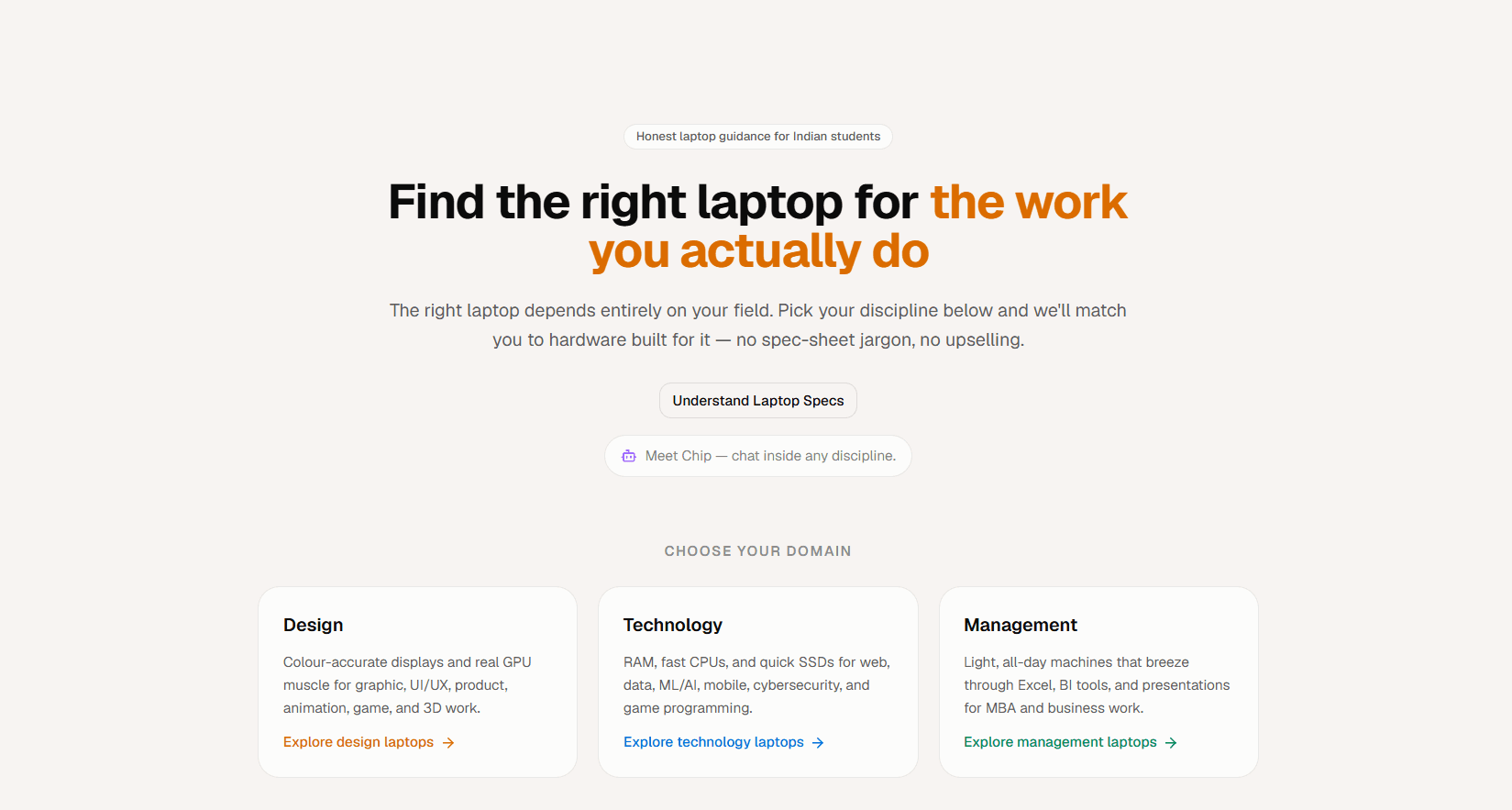
LaptopFinder.cc
I built Laptop Finder as a role-first way to choose laptops in India: short guides, a searchable index, and a lightweight advisor (“Chip”) that turns a few answers into a small set of sensible picks.
Published
Publication
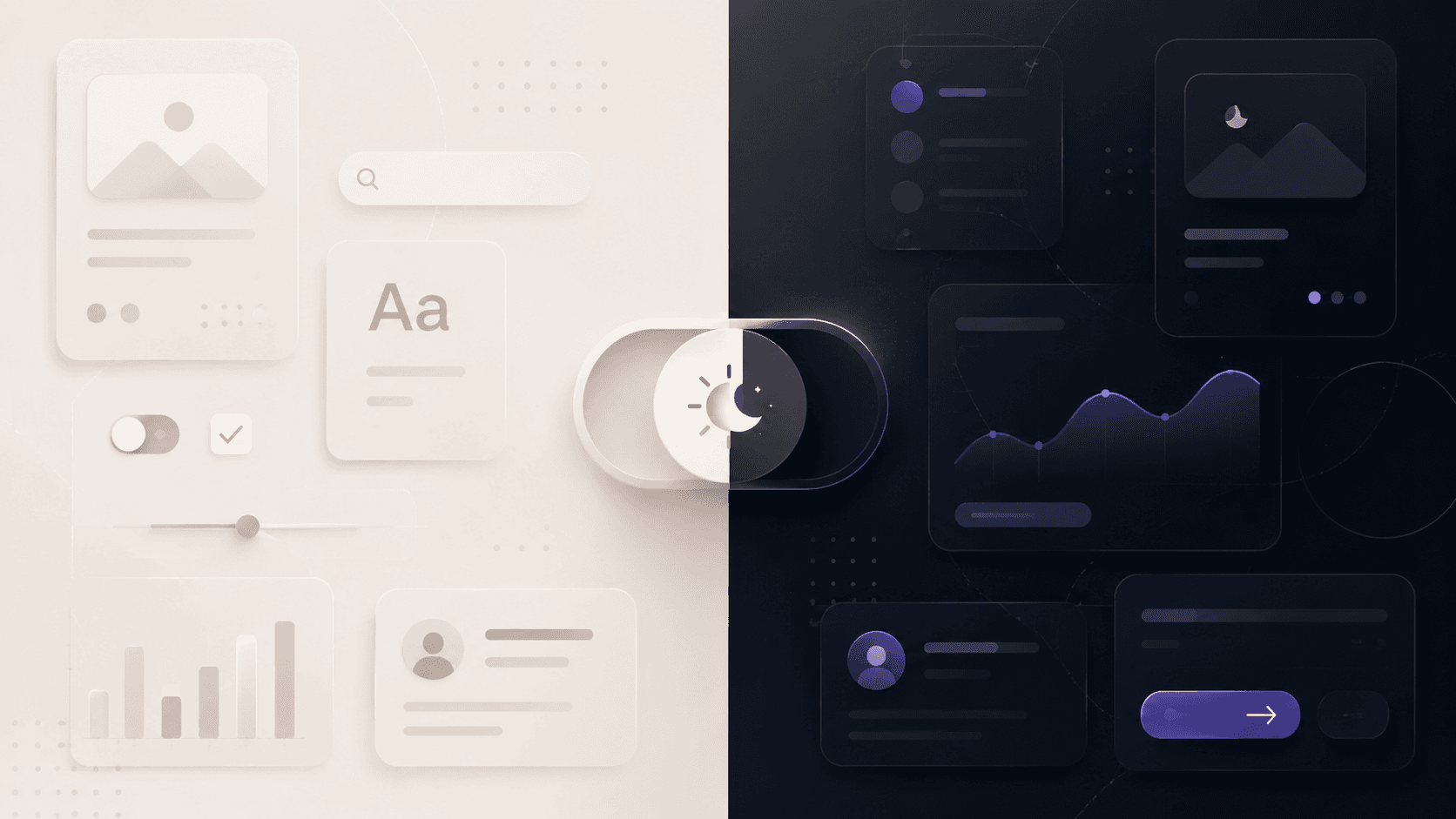
From Aesthetic Shift to UX Strategy: Understanding Dark Mode in the Evolution of Graphical User Interfaces
This chapter traces how dark mode moved from an aesthetic choice to an element of UX strategy, arguing that its appeal mixes cultural meaning with practical ergonomics. It situates the style within GUI history, documents rapid platform adoption, and recommends treating color polarity as a strategic decision that supports inclusive, context‑aware interfaces.
Published (Taylor & Francis)